
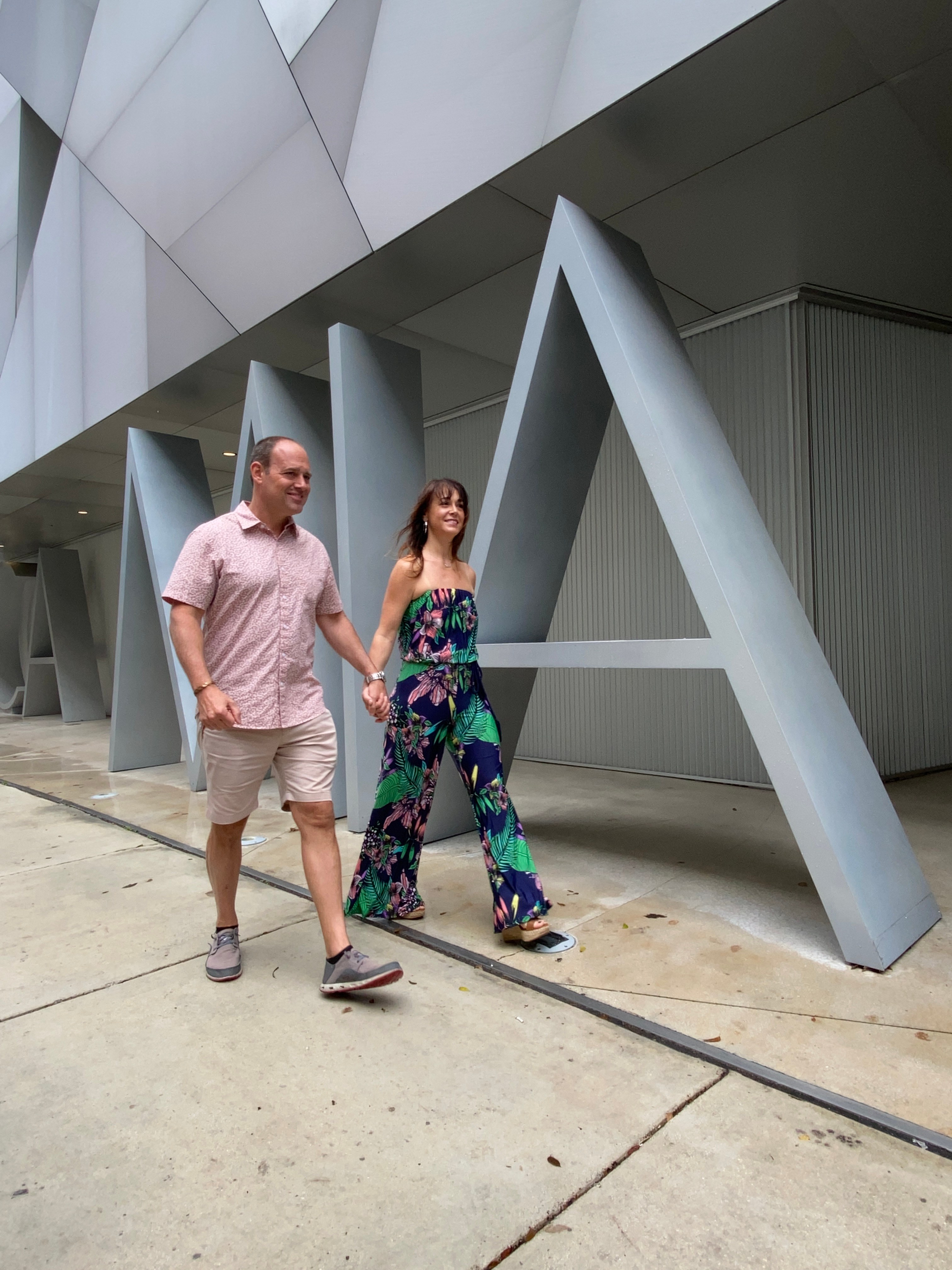
Bill Jamison and Nancy Jamison of JAM Worldwide walking hand in hand
Real Estate Questions, Answered

Atlanta Neighborhoods.

Questions 14 to 17: Upper Westside, West Midtown, 30318, BeltLine access, and neighborhood comparisons.

14Is the Upper Westside or West Midtown a great place to live in Atlanta?

The Upper Westside and West Midtown offer a distinctive combination of established residential neighborhoods, historic architecture, contemporary homes, thoughtfully developed communities, restaurants, creative spaces, and access to many of Atlanta's destinations.

One of the area's most compelling qualities is its residential diversity. Within and around Atlanta's 30318 ZIP code, you'll find everything from intimate Craftsman bungalows and mid-century homes to substantial custom residences, luxury estates, and contemporary townhomes.

Although the names Upper Westside and West Midtown are sometimes used interchangeably, they encompass different neighborhoods, architectural styles, and living experiences.

Howell Mill Road and nearby established neighborhoods

Underwood Hills, Berkeley Park, and Channing Valley offer established residential settings with distinctive architectural character.

These neighborhoods include historic bungalows, Craftsman homes, renovated residences, and newer construction.

Their individual streets, architecture, lot characteristics, and proximity to surrounding destinations create different experiences, even within a relatively concentrated area.

Blandtown and the Huff Road Corridor

Blandtown is a historic Atlanta neighborhood centered along Huff Road between Howell Mill Road and Marietta Boulevard.

Its roots as an early African American community remain an important part of its identity.

Today, the neighborhood includes contemporary residential developments, townhomes, restaurants, creative businesses, and repurposed industrial spaces.

Its evolution reflects the contrast between historic Atlanta and the contemporary energy associated with West Midtown.

Marietta Road, Bolton Road, and residential communities

Hills Park, Dupont Commons, Adams Crossing, and Westside Station contribute another dimension to the Upper Westside's residential character.

Hills Park offers an established neighborhood environment with a range of traditional homes and newer residences.

Dupont Commons is known for Craftsman-inspired architecture, distinctive streetscapes, and community amenities.

Adams Crossing offers traditional architectural character, front porches, sidewalks, and neighborhood green spaces.

Westside Station features newer single-family residences and townhomes, along with shared amenities and connections to outdoor spaces.

Together, these neighborhoods and communities offer different combinations of architectural styles, residential settings, and ownership considerations.

Collier Road, Memorial Park, and established northwest Atlanta neighborhoods

Moving toward Collier Road, Northside Drive, and the Memorial Park area, the residential landscape changes again.

Collier Hills, Ridgewood Heights, Fernleaf, Wildwood, and Hyde Park contribute additional architectural variety, established landscapes, and different relationships to nearby parks and neighborhood destinations.

Homes in these areas may include mid-century residences, traditional architecture, thoughtfully expanded older homes, and substantial custom construction.

Hanover West and nearby Margaret Mitchell extend the conversation into adjoining northwest Atlanta neighborhoods, with some areas crossing ZIP-code boundaries.

Springlake also contributes to the broader Memorial Park area's character, although individual addresses may fall outside 30318.

These neighborhoods demonstrate that northwest Atlanta's residential possibilities extend well beyond the more visible mixed-use corridors.

What makes these neighborhoods distinctive?

A renovated Craftsman in Berkeley Park, a contemporary townhome in Blandtown, a residence in Dupont Commons, and a custom home in Wildwood can offer very different living experiences.

Architecture, lot size, privacy, maintenance responsibilities, surrounding streets, access to outdoor spaces, and proximity to everyday destinations all influence how a property fits into someone's life.

The same diversity extends to property values, with opportunities across multiple price points, including substantial luxury residences valued in the multimillion-dollar range.

Our perspective: We appreciate the individuality of these neighborhoods! The most meaningful search begins with understanding how you envision living, then exploring the homes and communities that align with your priorities.

Rather than limiting your search to a broad neighborhood label, Bill can establish a customized MLS property search reflecting your preferred communities, architecture, price range, lifestyle, and investment considerations.

Back to the questions

15What are home prices like in Atlanta's 30318 ZIP code?

Home prices in Atlanta's 30318 ZIP code span a broad spectrum, from smaller established homes and contemporary townhomes to renovated historic properties, substantial custom residences, and multimillion-dollar luxury estates.

That diversity makes a single ZIP-code median an incomplete measure of property value.

Architecture, location, lot characteristics, construction quality, condition, privacy, community amenities, and available competition all contribute to how a property is valued.

Howell Mill Road and established neighborhoods

Underwood Hills, Berkeley Park, and Channing Valley offer different combinations of older homes, renovated properties, and newer construction.

An original bungalow, an expanded Craftsman, and a custom residence may carry substantially different values, even when located on neighboring streets.

Condition, floor plan, craftsmanship, outdoor living areas, and quality of improvements each influence the comparison.

Blandtown and Huff Road

Blandtown includes contemporary townhomes, newer residential construction, and properties near West Midtown's commercial and mixed-use destinations.

Construction quality, layout, parking, outdoor space, HOA provisions, and proximity to surrounding activity can influence market position.

These homes may offer a different ownership experience from traditional detached residences in nearby established neighborhoods.

Hills Park and planned residential communities

Hills Park, Dupont Commons, Adams Crossing, and Westside Station provide a range of residential settings, architectural styles, and community characteristics.

Some properties reflect established neighborhood construction and lot patterns. Others are part of planned developments with shared amenities and community-specific ownership considerations.

When evaluating properties here, we consider relevant comparable sales, construction age, condition, location within the neighborhood or development, and ongoing expenses.

Collier Hills, Wildwood, Fernleaf, and surrounding northwest neighborhoods

Collier Hills, Ridgewood Heights, Fernleaf, Wildwood, and Hyde Park contribute additional residential variety, including substantial renovated homes and luxury custom construction.

Properties in these neighborhoods can reach well into the multimillion-dollar market, depending on location, lot characteristics, architecture, scale, and improvements.

Nearby Hanover West, Margaret Mitchell, and Springlake offer additional comparison opportunities, with the distinction that some individual properties fall outside 30318.

For significant custom homes, the most relevant comparable sales may be drawn from a carefully selected set of properties rather than every sale within the ZIP code.

What determines the value of an individual property?

We examine:

  • Location and setting: Street character, privacy, surrounding properties, access, and neighborhood context.
  • Architecture and craftsmanship: Design quality, materials, functional layout, and distinctive features.
  • Property characteristics: Lot size, outdoor living areas, parking, landscaping, and usable space.
  • Condition and improvements: Renovation quality, maintenance, building systems, and anticipated future expenses.
  • Community considerations: HOA responsibilities, amenities, and ongoing ownership costs.
  • Market position: Comparable closed sales, active listings, and the alternatives available to prospective buyers.

How do we evaluate current market conditions?

We draw on FMLS comparable sales and property information to understand each home's position within its relevant market.

For broader regional context, Georgia MLS publishes independently maintained Atlanta-area statistics.

Those regional figures describe a much larger geographic area and cannot establish an individual 30318 property's value.

Our perspective: Value begins with understanding the property. Whether you're exploring an established bungalow, a contemporary residence, or a multimillion-dollar custom home, location, architecture, condition, ownership considerations, and market competition deserve individual attention.

Back to the questions

16What's it like living near the Atlanta BeltLine Westside Trail?

Living near the Atlanta BeltLine Westside Trail can provide access to outdoor recreation, neighborhood connections, public art, and opportunities to experience Atlanta beyond your immediate street.

For people who enjoy walking, cycling, and spending time outdoors, access to the trail can contribute meaningfully to daily life.

However, not every property near the BeltLine offers the same experience.

A home directly adjacent to an active trail may have different privacy, activity, and access considerations from a residence several blocks away.

Street crossings, trail entrances, lighting, landscaping, surrounding development, and access to everyday destinations all deserve attention.

It's useful to explore a prospective property at different times of day and experience the actual route between the home and the trail.

The BeltLine is also an evolving network. Completed sections, proposed connections, and projects under construction are distinct, and a planned connection isn't equivalent to an existing trail.

For current maps and project information, visit the official Atlanta BeltLine website.

Our perspective: Access to outdoor spaces can enrich daily life. We explore how a property's setting, privacy, connectivity, and surrounding environment align with your lifestyle rather than relying on proximity alone.

Back to the questions

17West Midtown vs. Buckhead vs. Brookhaven: Where should I buy a home?

West Midtown, Buckhead, and Brookhaven offer different residential experiences. Comparing them begins with your daily routines, architectural preferences, financial considerations, commuting patterns, and long-term plans.

West Midtown and the Upper Westside

West Midtown offers a blend of contemporary residential development, restaurants, creative businesses, and mixed-use destinations.

The nearby Upper Westside adds established neighborhoods and residential communities with significant architectural variety.

Property opportunities range from historic bungalows and contemporary townhomes to substantial custom luxury residences.

The broader 30318 area includes both energetic commercial corridors and more established residential settings.

Buckhead

Buckhead encompasses a large collection of residential neighborhoods and commercial districts.

Housing options range from established single-family homes on substantial lots to luxury condominiums, townhomes, and custom estates.

Its residential settings can differ considerably from its major shopping, dining, and business corridors.

The individual neighborhood deserves as much consideration as the broader Buckhead name.

Brookhaven

Brookhaven includes established residential neighborhoods, parks, restaurants, retail destinations, and access to MARTA along the Peachtree Road corridor.

Property options range from older homes with architectural character to renovated residences, newer construction, townhomes, and condominiums.

Different parts of Brookhaven provide distinct experiences in terms of neighborhood setting, access, and property types.

How do you compare them?

We begin with the factors that shape your daily life.

  • Location and access: Your regular destinations, commuting patterns, and travel schedule.
  • Architecture and property type: Historic character, contemporary design, lot size, outdoor living, and maintenance preferences.
  • Lifestyle: How you envision spending weekdays, evenings, and weekends.
  • Financial stewardship: Purchase price, taxes, insurance, maintenance, and longer-term ownership responsibilities.
  • Future possibilities: How the property may support your evolving priorities, lifestyle, and financial direction.

We then use FMLS information and a customized search to compare actual property opportunities rather than relying on broad neighborhood assumptions.

Our perspective: The home and the neighborhood work together. We help you evaluate both through the lens of the life you're creating.

Back to the questions